Best Forensic Science Colleges In India – Rankings, Placements & Courses (2026)
Top-10 Forensic Science Colleges In India
Best Forensic Science Colleges In India
When searching for the top forensic science colleges in India, many students assume that only universities exclusively labeled as “forensic science institutions” should be considered. However, several reputed universities and institutes across the country offer well-structured forensic science programs through their departments of applied sciences, criminology, or investigative studies. Institutions located in cities such as Gandhinagar, Mumbai, Delhi, Bengaluru, and Varanasi have developed strong academic ecosystems with advanced laboratories, experienced faculty, and interdisciplinary research opportunities. Many of these colleges consistently perform well in terms of academic rigor, practical exposure, laboratory infrastructure, and collaborations with law enforcement agencies. Students exploring forensic science programs should therefore focus on curriculum quality, lab facilities, and career outcomes rather than relying solely on the institution’s title.
It is also important for aspirants researching forensic science colleges to verify the admission process followed by each institution, as there is no single centralized counselling system applicable across India. While some central and state universities conduct admissions through national-level entrance examinations or merit-based processes, private and deemed universities may have their own entrance tests or direct admission criteria. Additionally, certain institutes may offer specialized programs in areas such as digital forensics, forensic psychology, or cybersecurity, each with different eligibility requirements and selection procedures. Understanding these variations helps students make informed decisions and avoid confusion during the application and admission stages.
Identifying the best forensic science colleges is particularly important because career opportunities in this field are highly skill-oriented and depend on practical training and domain expertise. Even small differences in laboratory exposure, internship opportunities, and industry collaboration can significantly impact future career prospects in areas such as crime scene investigation, forensic analysis, digital forensics, and legal consultancy. Students should carefully evaluate factors such as accreditation, faculty expertise, placement support, internship tie-ups, and research output before finalizing their college preferences. A well-informed choice can play a crucial role in building a successful career in forensic science and related investigative fields.
>>> Read our article on “How to Choose Engineering Branch and College After 12th?” before selecting the college.
Book Your Career Guidance Session
- Safe Branch Strategy
- Cut-off Based College Selection
- Personalized Analysis
Get expert Guidance for Engineering Admissions
Have a quick question? Chat instantly on WhatsApp

Best Government Forensic Science Colleges In India
- National Forensic Sciences University
- Institute of Forensic Science
- Dr. Harisingh Gour Vishwavidyalaya
- Government Institute of Forensic Science
- Banaras Hindu University
- Bundelkhand University
Best Private Forensic Science Colleges In India
- Chandigarh University
- Amity University
- Lovely Professional University
- Jain University
Top 10 Forensic Science Colleges In India
#1 NFSU Gandhinagar
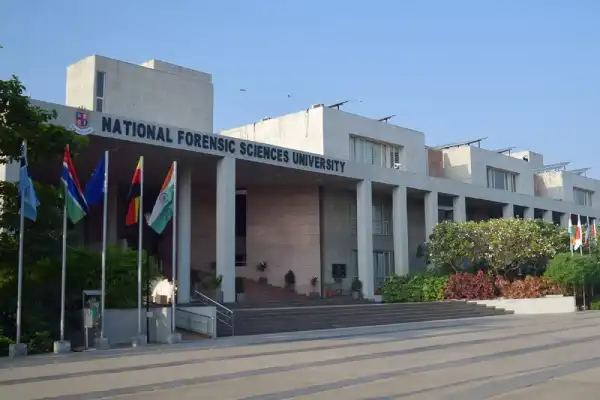
- Location: Gandhinagar, Gujarat
- Type: Central University
- Established: 2009
- Admission: CUET, JEE Main, GATE, CLAT, CAT
- Link: NFSU
National Forensic Sciences University (NFSU), Gandhinagar is widely recognized as India’s premier institution dedicated exclusively to forensic science, investigation, and criminal justice studies. Established in 2009 and later upgraded as an Institution of National Importance, the university has developed a strong academic ecosystem supported by advanced forensic laboratories, experienced faculty, and interdisciplinary research programs. The campus houses specialized facilities for cyber forensics, DNA analysis, toxicology, and digital investigation, along with collaborations with national and international law enforcement agencies. Its focus on emerging domains such as digital forensics, cybersecurity, forensic psychology, and homeland security contributes significantly to research and innovation in the field.
The university also maintains strong academic and career outcomes, with students gaining opportunities across government agencies, forensic laboratories, intelligence services, and private sector organizations. Specialized programs in forensic science, cybersecurity, and forensic accounting attract strong industry interest, with graduates often securing roles in investigative and analytical domains. Recruiters typically include government forensic departments, investigative agencies, cybersecurity firms, and research institutions. Supported by strategic collaborations, practical exposure, and a niche specialization, NFSU continues to be regarded as the leading institution in forensic science education in India.
#2 Institute of Forensic Science Mumbai
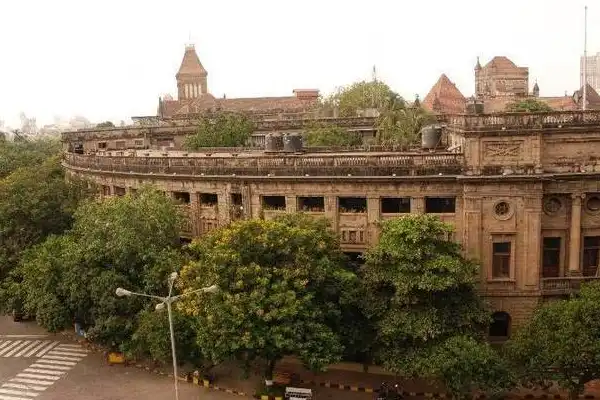
- Location: Mumbai, Maharashtra
- Type: State Government College(Mumbai University)
- Established: 2009
- Admission: 12TH MARKS/ AIFSET/CUET
- Link: IFS
The Institute of Forensic Science, Mumbai is a prominent state-level institution known for its focused approach to forensic science education and practical training. Established in 2009, the institute operates with an emphasis on laboratory-based learning, experienced faculty guidance, and industry-relevant curriculum aligned with modern investigative techniques. The campus provides access to well-equipped forensic labs covering areas such as biology, chemistry, ballistics, and questioned document examination, enabling students to gain strong hands-on exposure. Its academic environment encourages analytical thinking, research orientation, and collaboration with law enforcement agencies, making it a significant contributor to forensic education in Maharashtra.
The institute also demonstrates steady academic outcomes, with students securing opportunities in forensic laboratories, police departments, and private investigation agencies. Programs in forensic biology, chemistry, and digital forensics attract consistent interest due to their practical relevance and application in criminal investigations. Graduates often pursue careers in government forensic departments, legal support services, and research organizations, while some opt for higher studies and specialization. With its practical training model, industry alignment, and growing reputation, the Institute of Forensic Science, Mumbai continues to be a reliable choice for students in this domain.
#3 Dr. Harisingh Gour Vishwavidyalaya

- Location: Sagar, Madhya Pradesh
- Type: Central University
- Established: 1946
- Admission: CUET
- Link: DHGV
Dr. Harisingh Gour Vishwavidyalaya, located in Sagar, is one of the oldest central universities in India, known for its strong academic heritage and multidisciplinary learning environment. Established in 1946, the university offers a wide range of programs across sciences, humanities, and applied disciplines, supported by experienced faculty and established research departments. The campus provides a well-rounded academic ecosystem with laboratories, research centers, and library resources that encourage critical thinking and innovation. Its emphasis on foundational knowledge, academic rigor, and research development has contributed to its longstanding reputation in higher education.
The university also maintains consistent academic progression and career pathways for its students across various disciplines. Programs in science and applied fields, including forensic-related studies, offer opportunities in research institutions, government sectors, and academia. Graduates often pursue higher education, research fellowships, or roles in public sector organizations and laboratories. With its legacy, central university status, and focus on academic depth, Dr. Harisingh Gour Vishwavidyalaya continues to attract students seeking a balanced and research-oriented education.
#4 Government Institute of Forensic Science
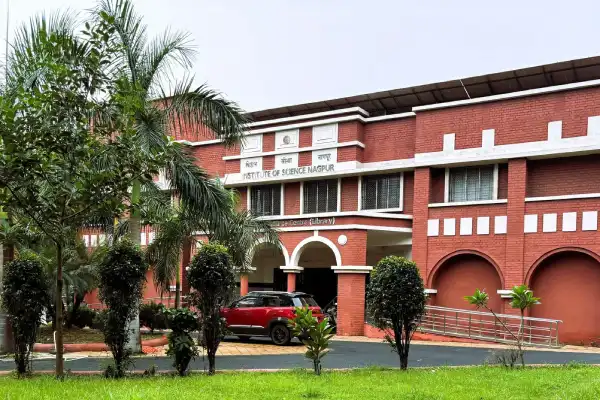
- Location: Nagpur, Maharashtra
- Type: State Government College ( RTMN Universty)
- Established: 2008
- Admission: 12th marks/ University process
- Link: GIFS
Government Institute of Forensic Science, Nagpur is a specialized state government institution focused on delivering quality education in forensic science and criminal investigation. Established in 2008, the institute has developed a strong foundation in practical training through well-equipped laboratories and experienced faculty members. The academic structure emphasizes core forensic disciplines such as forensic biology, chemistry, toxicology, and digital forensics, enabling students to build technical expertise. The institute also promotes research activities and collaborations with regional forensic laboratories, ensuring that students gain exposure to real-world investigative practices.
The institute offers stable academic outcomes, with graduates finding opportunities in government forensic departments, police organizations, and private analytical labs. Its specialized programs are designed to meet the growing demand for trained forensic professionals, particularly in areas such as crime scene analysis and laboratory investigation. Students often pursue roles in public sector units, research organizations, and legal support services, while some continue with advanced studies. With its focused curriculum, practical orientation, and government backing, the institute remains a dependable option for forensic science education.
#5 Chandigarh University

- Location: Mohali, Punjab
- Type: Private University
- Established: 2012
- Admission: CUCET
- Link: CU
Chandigarh University is a rapidly growing private institution known for its modern infrastructure, industry-oriented curriculum, and strong emphasis on innovation and research. Established in 2012, the university has built a dynamic academic ecosystem with advanced laboratories, incubation centers, and global collaborations. It offers programs across multiple disciplines, including forensic science, engineering, management, and applied sciences, with a focus on experiential learning and interdisciplinary development. The campus integrates technology-driven education, research initiatives, and skill-based training to prepare students for evolving industry demands.
The university also demonstrates strong placement performance across various domains, with students securing opportunities in multinational companies, research organizations, and service industries. Programs in emerging fields such as cybersecurity, data science, and forensic science attract significant recruiter interest, leading to competitive placement outcomes. Recruiters typically include technology firms, consulting companies, and core industry players, offering diverse career paths. With its global outlook, industry connections, and emphasis on employability, Chandigarh University continues to be a preferred choice among private institutions.
#6 Banaras Hindu University
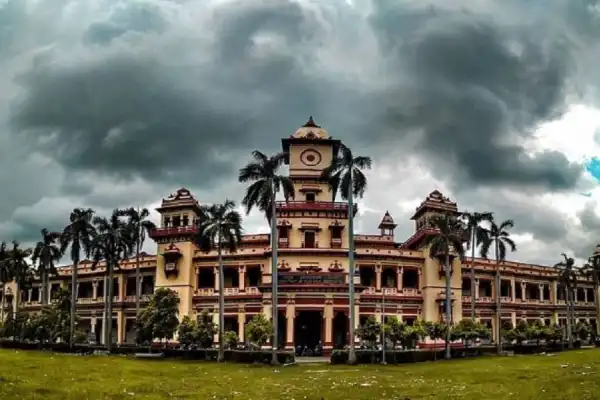
- Location: Varanasi, Uttar Pradesh
- Type: Central University
- Established: 1916
- Admission: CUET
- Link: BHU
Banaras Hindu University (BHU), located in Varanasi, is one of India’s most prestigious central universities, known for its rich academic tradition and comprehensive multidisciplinary education. Established in 1916, the university offers a vast range of programs supported by distinguished faculty, extensive research facilities, and a vibrant campus environment. BHU has developed strong capabilities in science, medicine, humanities, and applied disciplines, with a focus on research, innovation, and societal impact. Its well-established laboratories, institutes, and academic departments contribute significantly to knowledge creation and academic excellence.
The university also maintains strong academic outcomes, with students progressing into research, public sector roles, and private industry positions. Programs in science and applied fields, including forensic-related disciplines, provide pathways into research institutions, healthcare sectors, and government services. Graduates often pursue higher education, competitive examinations, or specialized careers in their respective domains. With its legacy, academic depth, and national reputation, BHU continues to be one of the most sought-after institutions in India.
#7 Amity University

- Location: Noida, Uttar Pradesh
- Type: Private University
- Established: 2005
- Admission: AET/ Merit-based / CUET
- Link: AU
Amity University, with its flagship campus in Noida, is a leading private institution recognized for its global outlook, modern infrastructure, and diverse academic offerings. Established in 2005, the university provides a wide range of programs across disciplines such as engineering, management, forensic science, and applied sciences. The campus features advanced laboratories, research centers, and international collaborations that support innovation and interdisciplinary learning. Its emphasis on industry integration, skill development, and global exposure helps students gain a competitive edge in their respective fields.
The university also showcases strong placement outcomes, particularly in professional and emerging domains. Programs in areas such as forensic science, cybersecurity, and business analytics attract consistent recruiter interest, leading to diverse career opportunities. Graduates secure roles in multinational corporations, research organizations, and service sectors, with competitive salary packages across disciplines. Supported by industry partnerships, career development initiatives, and a global alumni network, Amity University continues to maintain its position among prominent private universities in India.
#8 Lovely Professional University

- Location: Phagwara, Punjab
- Type: Private University
- Established: 2005
- Admission: LPUNEST / Merit-based
- Link: LPU
Lovely Professional University (LPU), located in Punjab, is one of India’s largest private universities, known for its expansive campus, diverse programs, and focus on employability. Established in 2005, the university offers courses across engineering, management, sciences, and emerging fields such as forensic science and data analytics. The campus is equipped with modern laboratories, research facilities, and incubation centers that foster innovation and practical learning. LPU emphasizes industry collaboration, skill-based education, and global exposure through partnerships with international institutions.
The university maintains a strong placement ecosystem, with students securing roles across technology, business, and research sectors. Programs in high-demand areas such as data science, cybersecurity, and applied sciences attract major recruiters, resulting in competitive placement opportunities. Graduates often join multinational companies, startups, and research organizations, benefiting from the university’s training and placement support. With its scale, infrastructure, and industry alignment, LPU continues to attract students from across the country.
#9 Bundelkhand University
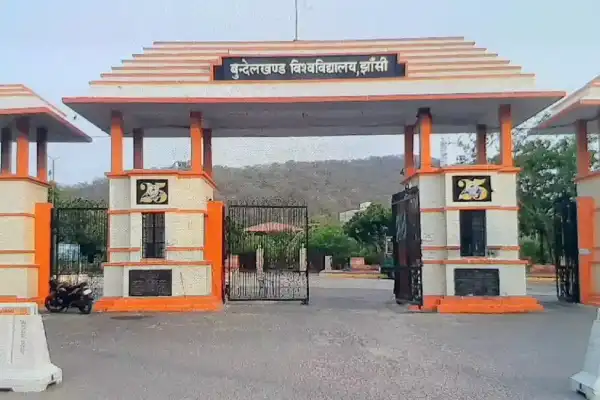
- Location: Jhansi, Uttar Pradesh
- Type: State Government University
- Established: 1975
- Admission: Merit-based / University entrance test
- Link: BU
Bundelkhand University, located in Jhansi, is a well-established state university known for its academic diversity and focus on regional and national educational needs. Established in 1975, the university offers programs across science, arts, management, and applied disciplines, supported by experienced faculty and growing research infrastructure. The campus provides essential laboratory facilities, academic resources, and a learning environment that encourages both theoretical understanding and practical application. Its emphasis on accessible education and academic development has contributed to its steady growth over the years.
The university also provides consistent academic pathways, with students progressing into government roles, research positions, and higher education. Programs in science and applied fields offer opportunities in laboratories, public sector organizations, and academic institutions. Graduates often pursue advanced studies, competitive examinations, or careers aligned with their specialization. With its affordability, academic foundation, and expanding opportunities, Bundelkhand University remains a viable option for higher education.
#10 Jain University

- Location: Bengaluru, Karnataka
- Type: Deemed-to-be University
- Established: 2009
- Admission: JET/ Merit-based
- Link: JU
Jain University, based in Bengaluru, is a well-regarded deemed-to-be university known for its emphasis on academic excellence, innovation, and industry integration. Established in 2009, the university offers a wide range of programs across disciplines such as science, commerce, management, and emerging fields including forensic science and data analytics. The campus features modern infrastructure, research centers, and collaborations with industry partners, supporting a dynamic learning environment. Its focus on entrepreneurship, skill development, and interdisciplinary education contributes to holistic student growth.
The university also demonstrates strong placement performance, particularly in professional and technology-driven domains. Programs aligned with industry needs attract a wide range of recruiters, offering opportunities in corporate, research, and service sectors. Graduates secure roles in multinational companies, startups, and consulting firms, with competitive salary packages across streams. Supported by industry exposure, career training, and an active alumni network, Jain University continues to be a prominent choice among private institutions.